How to Practice Speaking Without a Language Partner
Try four simple ways to speak your target language on your own, from shadowing native speakers to reading dialogues aloud and getting feedback.
You've been studying a new language for a while. You recognize vocabulary, understand grammar rules, and can follow along with reading exercises. But when someone actually speaks to you, or when you try to form a sentence yourself, the words just don't come out.
You can practice speaking without a language partner by shadowing native speakers, recording your voice, reading aloud, and using interactive speaking exercises. Each method gives you a different way to practice saying things out loud.
1. Shadow Native Speakers to Improve Your Pronunciation
One of the easiest ways to start practicing speaking is to listen to native speakers and repeat what they say.
This technique is called shadowing. Instead of simply listening to an audio clip, you actively imitate the speaker's pronunciation, rhythm, intonation, and pacing.
Here's how to practice:
- Find a short audio or video clip featuring a native speaker.
- Listen to the entire sentence once to understand its meaning.
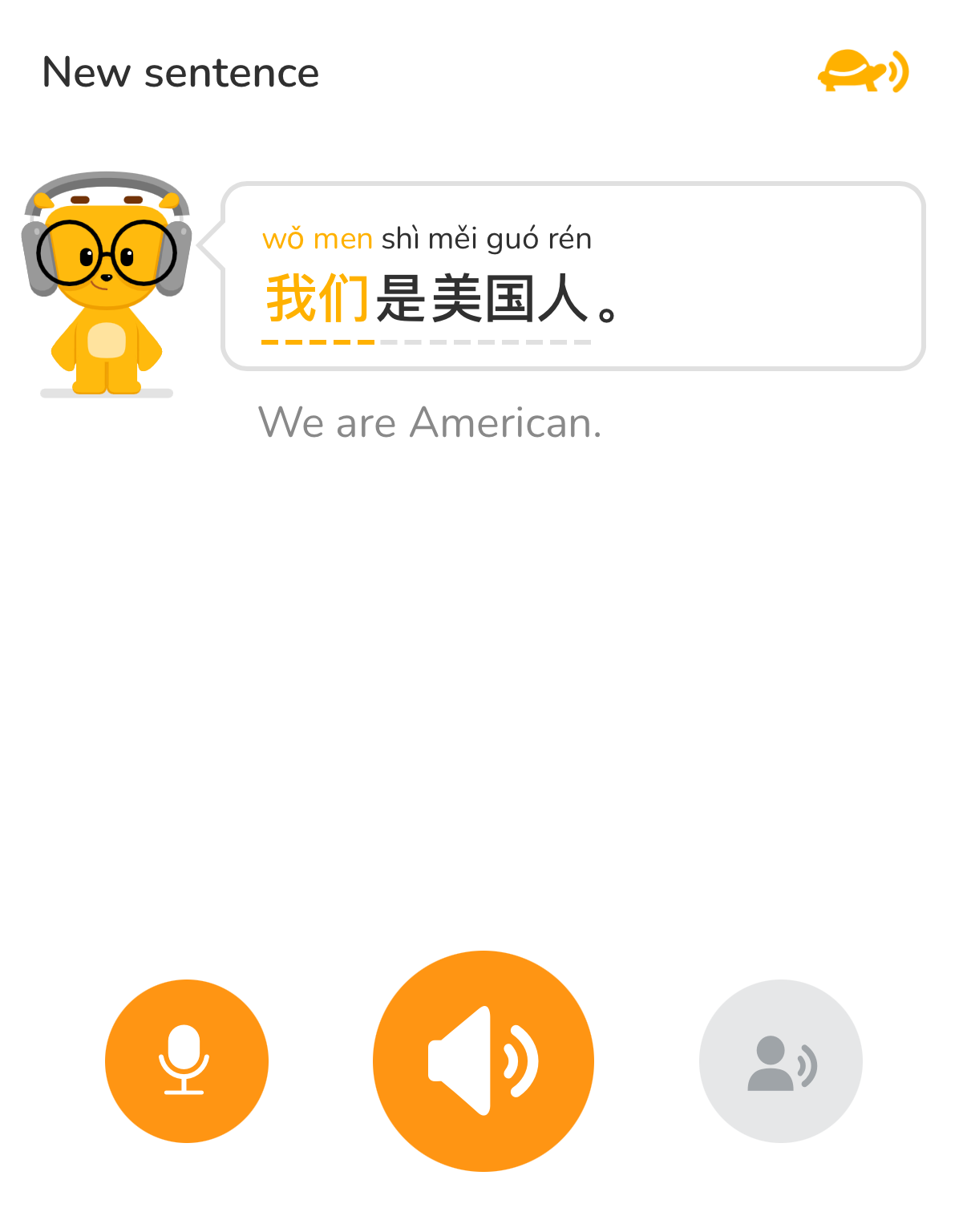
- Play it again and repeat the sentence, paying attention to how the speaker pronounces each word.
- Try speaking along with the audio, gradually matching the speaker's pace and intonation.
- Repeat until you feel more comfortable saying the sentence.
A useful tip: Start with short sentences rather than trying to imitate an entire conversation. If you're a beginner, choose learning materials with clear pronunciation and manageable vocabulary.
Shadowing is particularly useful for languages with unfamiliar sound patterns. For example, Japanese pitch accent, Korean sound changes, and Mandarin tones can all take time to get used to.
The goal isn't to sound exactly like a native speaker overnight. It's to become more familiar with the sounds and speaking patterns of your target language.
2. Record Yourself Speaking and Listen Back
When you're speaking a new language, it's not always easy to notice your own mistakes in real time.
Recording yourself gives you a chance to listen more carefully and identify areas that need improvement.
Try this simple exercise:
- Choose a familiar topic, such as introducing yourself or describing your hobbies.
- Speak for 30–60 seconds without reading from a script.
- Listen to the recording and identify words or sounds that were difficult to pronounce.
- Check unfamiliar words against reliable pronunciation examples.
- Record yourself again and compare the two versions.
You might notice that you pause frequently, mispronounce certain sounds, or struggle to recall vocabulary.
That's useful information. Instead of feeling discouraged, use it to decide what to practice next.
3. Read Aloud to Build Speaking Confidence
Reading aloud might seem like a basic exercise, but it's a useful way to connect written language with spoken language.
When you read silently, you can take your time to recognize words and understand their meaning. Reading aloud adds another layer: you have to produce the sounds yourself.
It helps you become more familiar with pronunciation, sentence rhythm, and the way words flow together.
Here are a few ways to practice:
- Read short dialogues from your learning materials.
- Read simple stories or graded readers aloud.
- Repeat example sentences after listening to their audio.
- Try reading the same passage several times, aiming for smoother delivery each time.
If you're learning a language with a different writing system, this exercise can also help you become more comfortable reading its characters or alphabet.
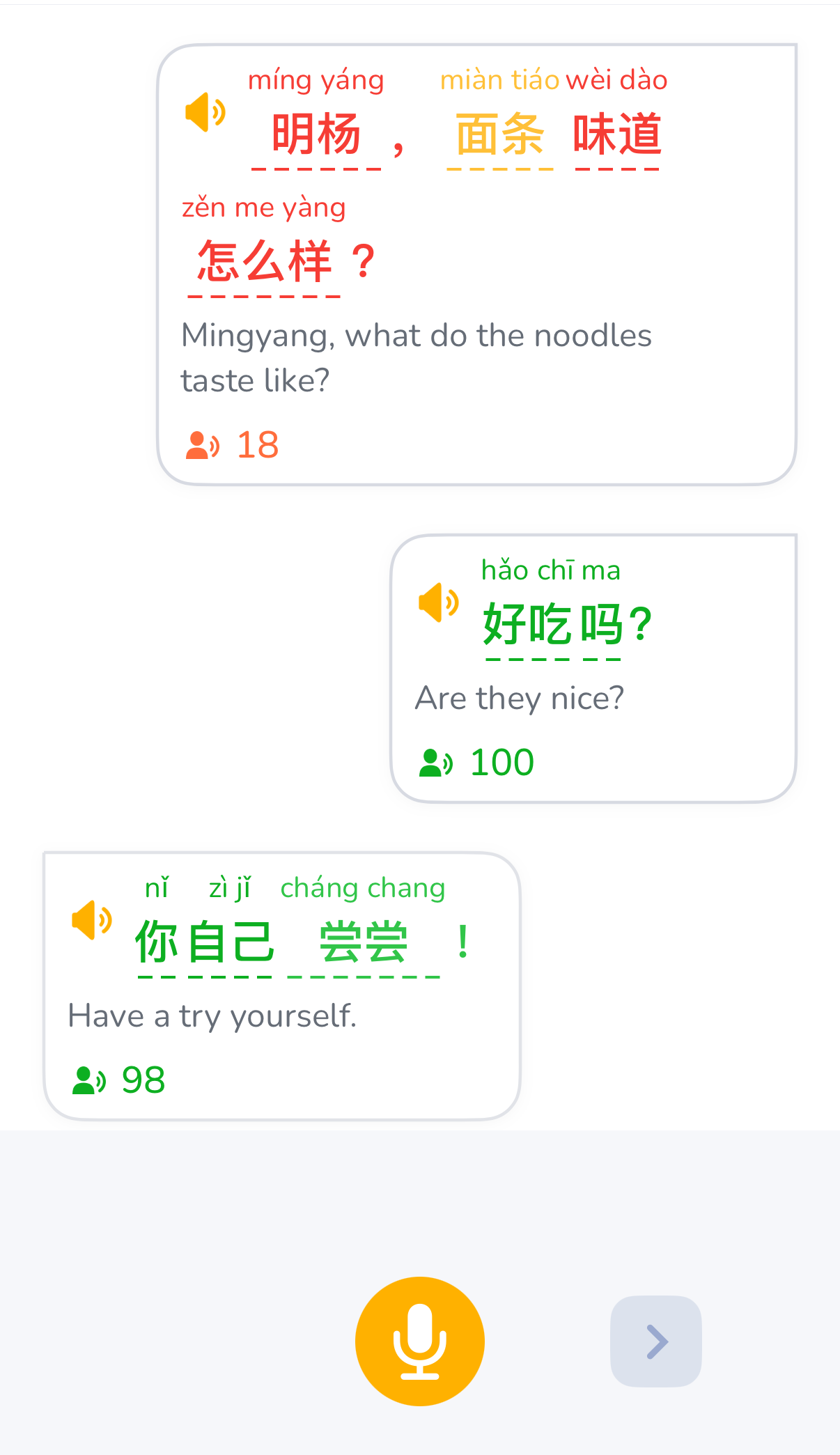
For beginners, it's best to use materials that match your current level. Reading something far beyond your vocabulary can make the exercise unnecessarily frustrating. If you’re looking for guided practice, LingoDeer’s Fluency Builder offers conversations on a variety of topics at your level. Read the dialogue aloud and get feedback on which words to practice again.
4. Use Speaking Tools to Practice More Actively
Technology has made independent language learning much easier. You can now access pronunciation examples, listening exercises, and interactive lessons without arranging a meeting with another person.
The important thing is to choose tools that encourage you to actively produce language rather than simply consume information.
When choosing a language learning app, look beyond how many vocabulary words it teaches. Consider whether it helps you connect vocabulary, grammar, listening, and speaking.
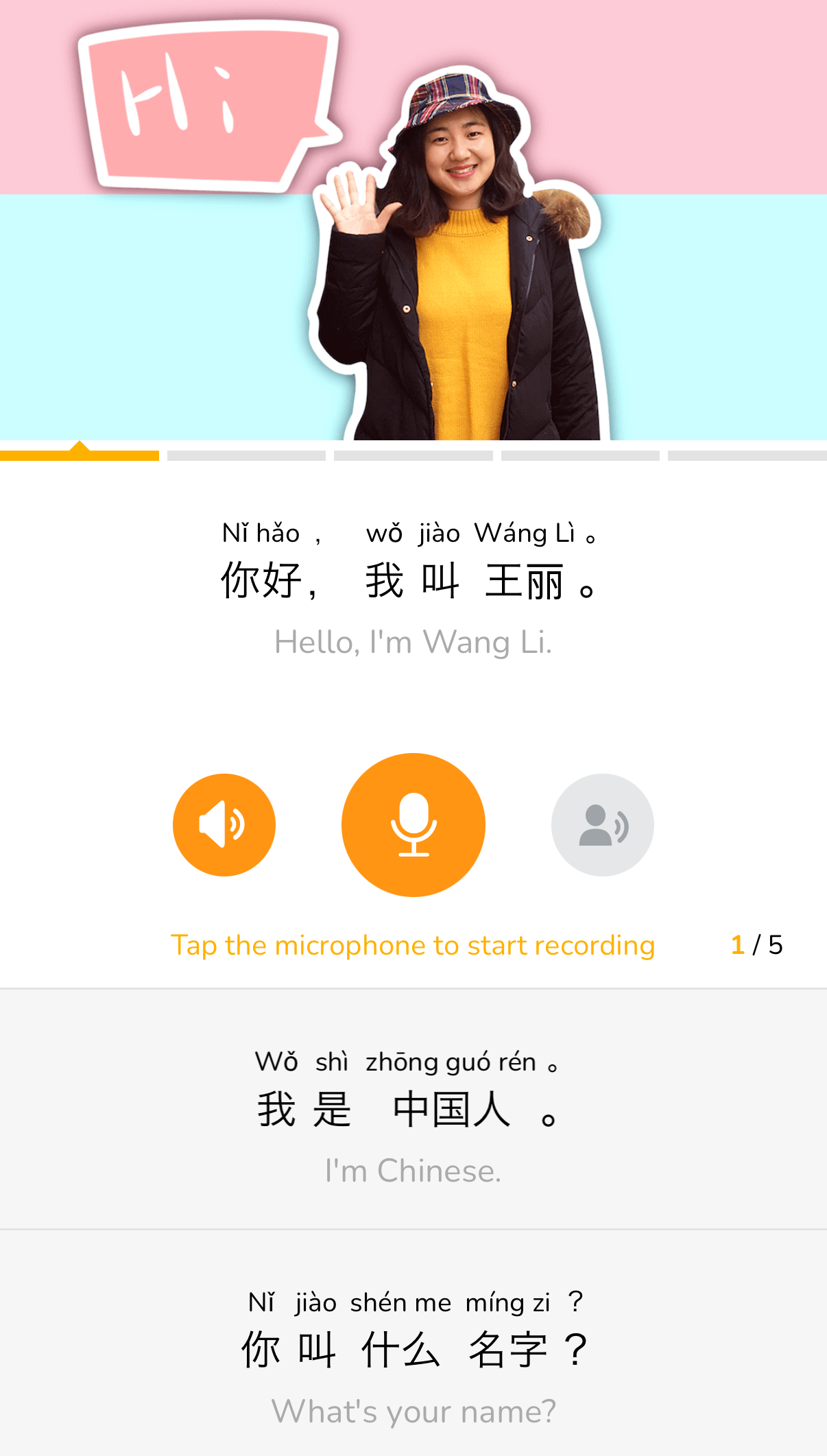
For example, LingoDeer combines structured lessons with native-speaker audio and video, giving learners opportunities to understand how words and expressions are actually pronounced and used.
Having clear examples to listen to and repeat can make independent speaking practice more productive, especially when you're still building a foundation. If you're using LingoDeer, try out the story practice, listen to the native-speaker audio, record yourself speaking, and listen to observe your pronunciation.
Start Speaking Before You Feel Ready
One common misconception about language learning is that you need to know enough vocabulary and grammar before you can start speaking.
But speaking isn't simply the final step after you've mastered everything else. It's part of the learning process itself.
Even if you're only practicing a few simple sentences each day, you're building the habit of actively using the language instead of just recognizing it.
So, don't let the lack of a language partner stop you. Find a short recording to shadow, or practice a conversation and evaluate your pronunciation.
Start small, keep practicing, and give yourself room to make mistakes.
The more comfortable you become with speaking on your own, the better prepared you'll be when it's time to speak with someone else!
Keep Learning with LingoDeer
Looking for a structured way to build your language skills? LingoDeer offers step-by-step lessons, clear grammar explanations, and native-speaker audio and video to help you develop a stronger foundation in your target language.