
Avoir: the French Super Verb
Discover the super verb in French - "avoir"! Learn about its conjugation, uses, common expressions, and idiomatic phrases.
Discover the super verb in French - "avoir"! Learn about its conjugation, uses, common expressions, and idiomatic phrases.

Delve into the effects of different tenses and moods on German verb conjugation. Join us to simplify and understand this complex topic!
The French pronoun "ça" equals to "it" or "that" in English. Discover its essential role in useful French expressions!

Come learn about German prepositions and cases to boost your German language skills, and start using the language with confidence today!
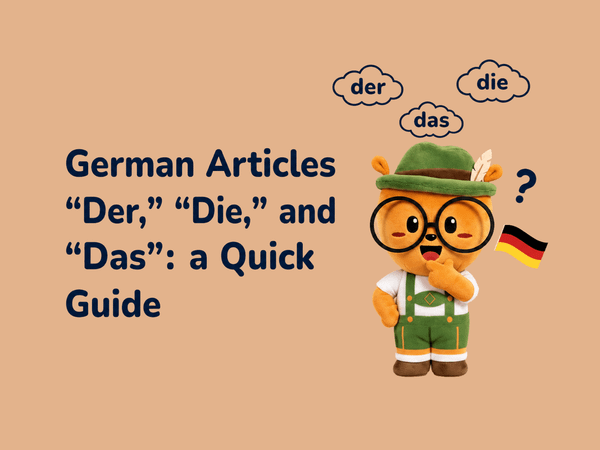
Learn how German noun gender determines der, die, and das, discover common noun-ending patterns, and practice choosing the correct definite article.

Let's discover the fascinating world of German compound words! Elevate your German proficiency with our explanations and useful examples.

False friends between English and French can be confusing, but it is worth exploring these pitfalls and uncovering the beauty of French.
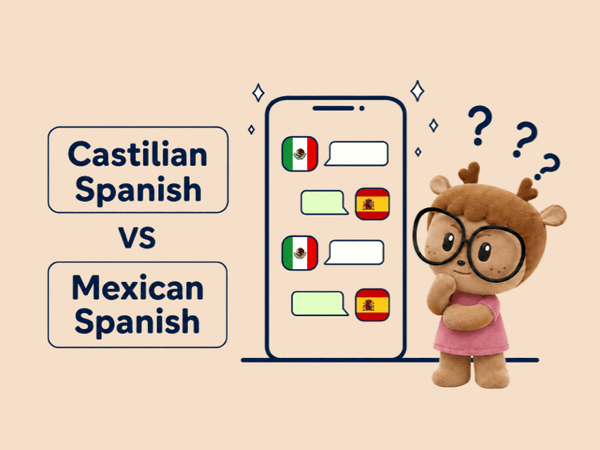
Explore the differences between "Castilian Spanish" and "Mexican Spanish" to discover how the language spoken in Spain and Mexico differs.

Discover BTS RM's English learning tips from "Friends" and apply them to mastering other languages. Let's learn languages more effectively!
Learning a new language can be a thrilling adventure, and one language that has gained significant popularity in recent years is Korean. With its unique grammar structure and rich cultural heritage, Korean presents an exciting challenge for language enthusiasts. Quick Answer: What are the foundations of Korean grammar? Korean commonly

South Korea may be a small country geographically, but its linguistic diversity is rich and fascinating. While standard Korean, based on the Seoul dialect, is taught in schools and used in media, each region in Korea boasts its own unique dialect, known as 사투리 (satoori). These dialects add an extra
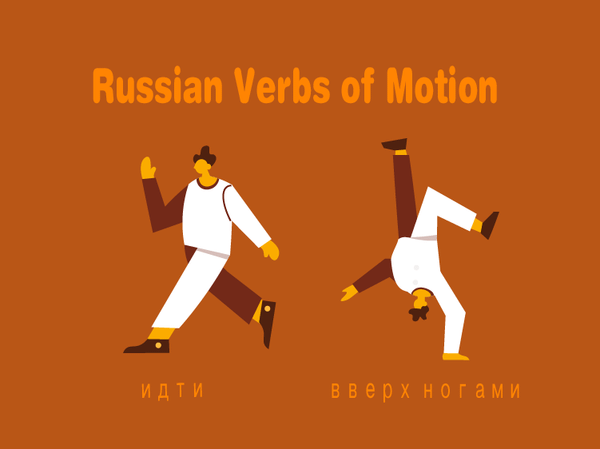
Russian verbs of motion often have a variety of meanings, especially when combined with prefixes. This can be a headache for Russian beginners. Have you ever wondered why the verb “to arrive” and “to enter” look so similar in Russian? Quick Answer: How do Russian verbs of motion work? Russian