Learning Japanese as an English-speaking Russian: a Huge Challenge? Interview with a Lingodeer User
Learn Japanese with LingoDeer!
Meet LingoDeer user Maksim and read about his experience of learning Japanese as an English-speaking Russian. Who knows? This new perspective may be of use to you as well!
M: I was born and raised in Krasnoyarsk krai, but after college graduation I moved to St. Petersburg where I now work as an in-house lawyer. I've been learning English as a second language my whole life without any specific reason for it but ended up graduating with a degree in Comparative Law Department and a pretty good level of common and professional English. I love to travel, learn about different cultures and am very fond of tasty food (as most of us are). I pass cold Russian winters by watching TV-shows, playing computer games and slowly learning Japanese.
LD: What got you interested in the Japanese language?M: As a college student, I was charmed by Anime, Manga and Light Novels and wanted to be able to consume Japanese culture without translation, but for the longest time, I hadn't acted on this urge. The push I needed came from an announcement about Duolingo adding a free Japanese course to its app. I realized that I didn't have to learn Japanese the same way I learned English - with the help of modern technology I could do it on my own (up to a certain level). Not to mention that it's much cheaper than hiring tutors and attending language classes.
The Japanese writing system seemed very intimidating, and I was hoping that Duolingo would make the learning process less boring and not as time-consuming. At the beginning there were very cool lessons that slowly teach you hiragana and katakana. But then the app jumped straight to practice sentences without explaining any grammar and continued to use hiragana where kanji should have been used. That was a deal breaker for me. I continued to learn hiragana and katakana using a chart I found on the internet and a simple app that would ask me characters at random.
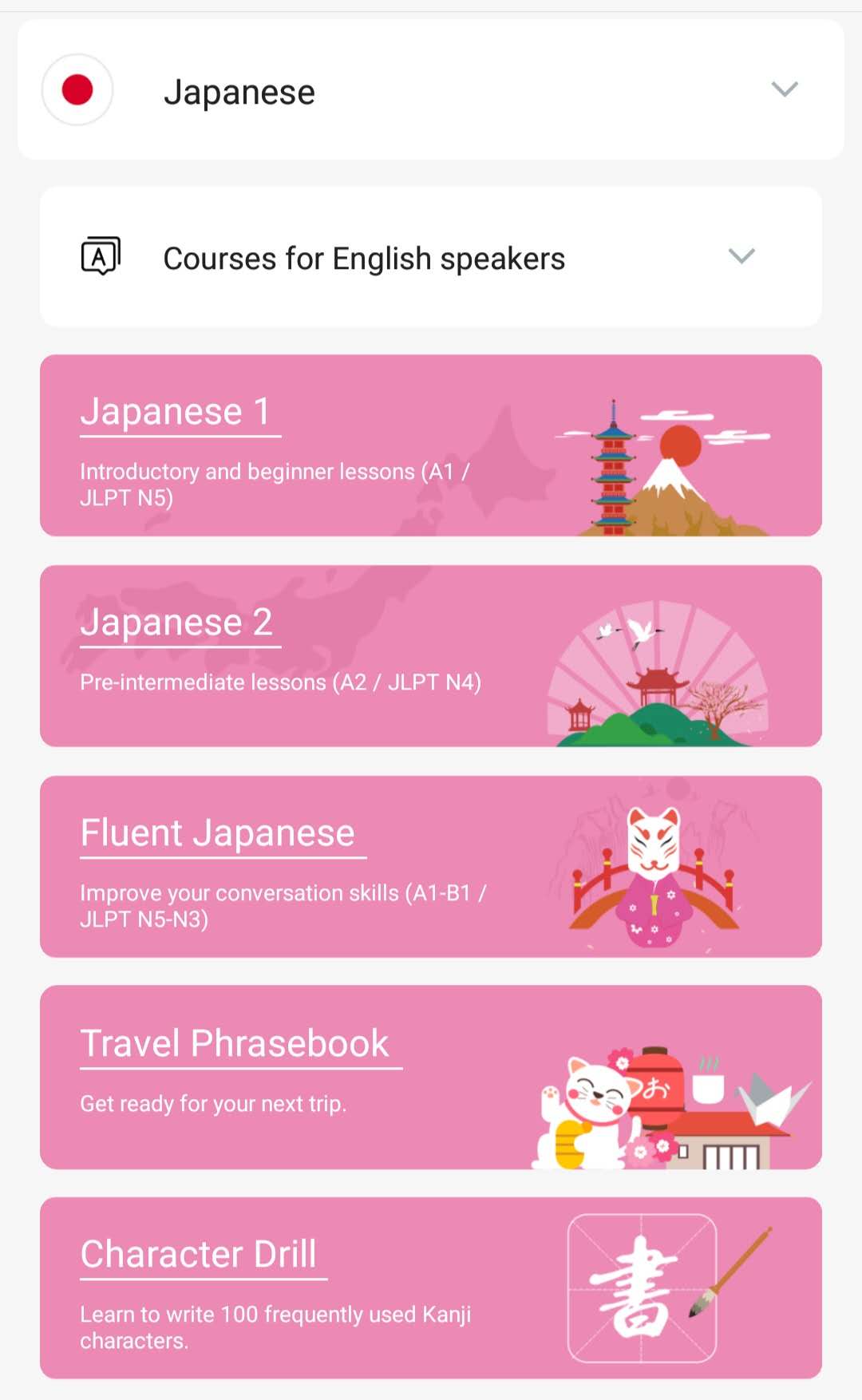
Eventually, I got more confident in my knowledge of the alphabet and was ready to try another way of learning of Japanese. That's when I learned about LingoDeer. It was recommended to me on Google Play as one of the most popular language learning apps for Japanese, Chinese and Korean languages. I tried it and found everything I needed: very simple but comprehensive grammar sections, lessons with audio and new vocabulary with writing in kanji and pronunciation of each word if needed.
LD: What's your learning routine like these days? How do you use LingoDeer?M: I go through about two new lessons a week, slow and steady. After each lesson I copy all of the new words and some of the sentences to a different app, similar language cards. After that I repeat and memorize new words and grammar by writing them down by hand in a notebook. I use another app, "Kanji Study", to write kanji. I do reviews during my daily commute and go through new lessons in the LingoDeer app at home. I was a bit self-conscious studying on the subway at first but with time I was able to concentrate on the task and ignore curious looks.
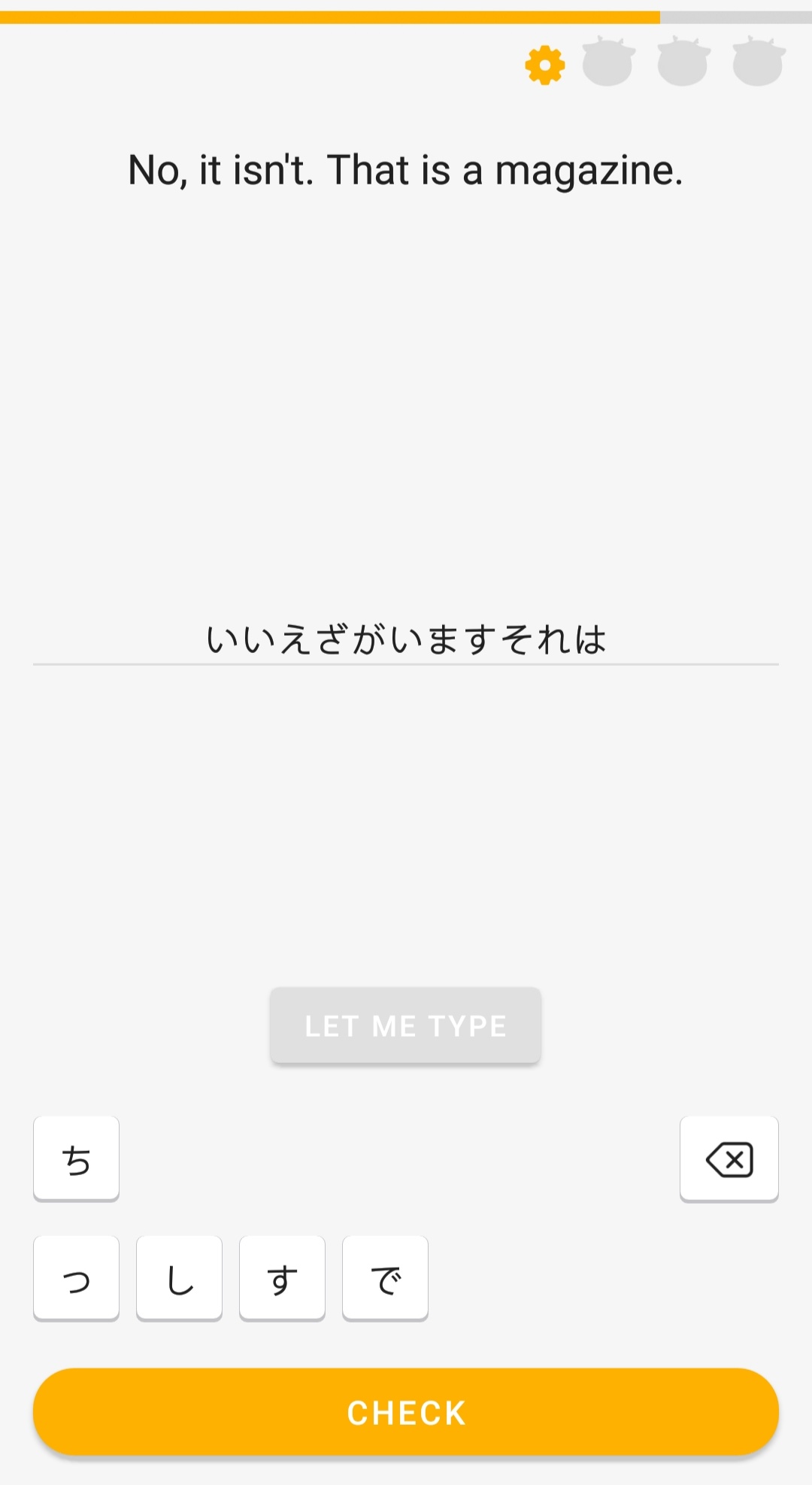
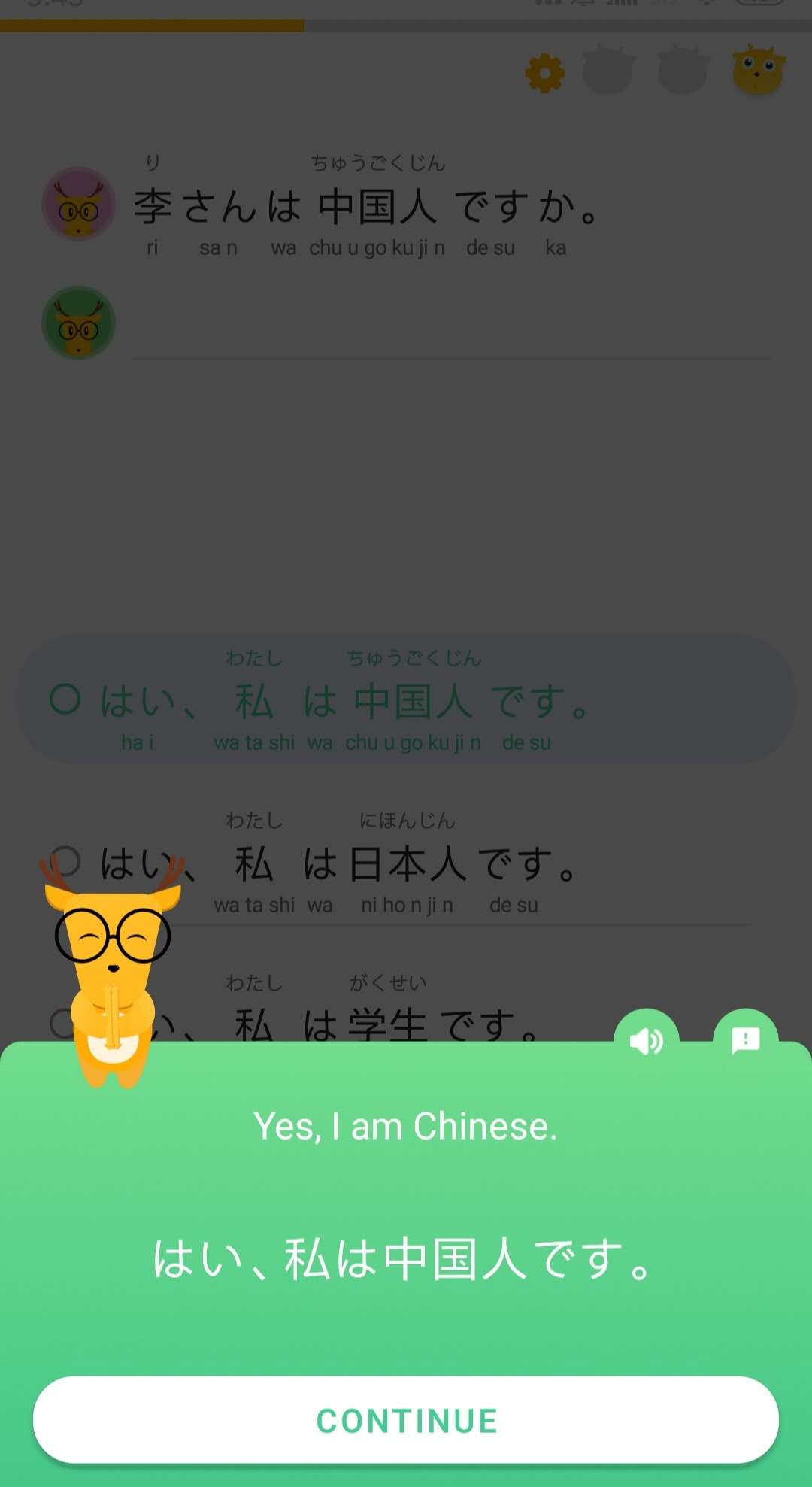
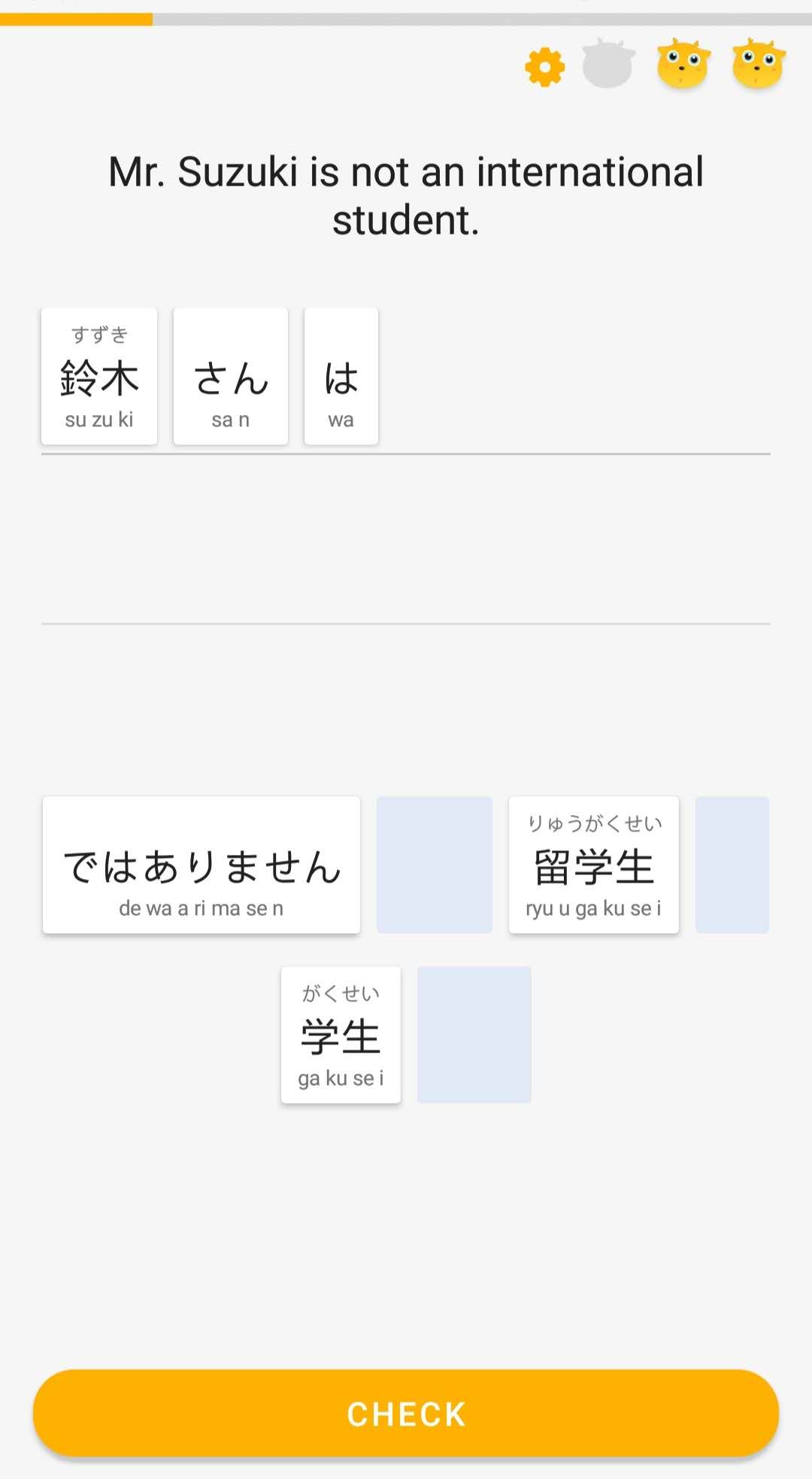
I also watch Anime from time to time (less than during my student years) and listen to J-Rock. I wouldn't call it studying, but with my progress in LingoDeer I began to recognize some words and grammatical structures which is a very rewarding feeling in itself.
LD: What do you do if you get frustrated by Japanese?
M: The short answer would be "I try to avoid frustration by taking it slow but steady and not worrying about it". But it wasn't always like that. Right after I found LingoDeer I decided to do one new lesson a day, and also used the app "Drops" to broaden my vocabulary.
Everything was going well for the first 6 weeks, but then the problems started to occur: I noticed that I started to forget some of the earlier lessons. To compensate, I introduced revision to my everyday routine which led to an increase in study time. At some point it seemed like a second job and demanded a huge amount of willpower. I even started to skip my lessons due to fatigue. I realized I could not go on like this and decided to experiment with the amount of new lessons and revision sessions until I hit the perfect ratio.
In the end, the most important thing is to study the language regularly. If your study plan is ambitious to the point of frustration, you're just shooting yourself in the leg. You may even stop learning the language for a long time and lose the progress that you already made.
The way I see it, if you're learning a language for yourself without external deadlines like exams or work qualification requirements, you might as well do it at a comfortable pace. Structure of lessons in apps like LingoDeer will make sure that you are making steady progress. It took me some time in order to understand this, but I see no other way to learn such complex language while working a full-time job and keeping my sanity.
LD: We heard you visited Japan not too long ago. Were you able to use your new language skill? How was it?M: Yeah, I was lucky enough to be able to visit Japan in 2019. That was one of the best vacations in my life! It was incredibly motivating in terms of studying. Of course, half a year is not enough time to master the language, but even my limited knowledge was very useful - even before I landed in Japan! The flight attendant saw me studying, and that led to friendly chatting, as well as my first practical use of the language - I was able to say "One beer please" (びるをひとつおねがいします)!
During the trip I often used English, but when I went to some local markets which are not usually visited by tourists, I was able to understand the business owners there. I was also able to say "Thank you very much for the food" (ごちそさまでした) after every meal which pleasantly surprised the staff of the places I visited.
Recognizing such words as 東京, 京都, お茶, 新幹線, ホテル, 焼き鳥 was very inspiring and even useful sometimes. There was also one time when a nice old lady in a Coin Laundry saw me and said こんにちは. Being able to understand her and say the same in return left a very nice and warm feeling.
Oh yeah! Those fancy toilets that are almost everywhere in Japan - I was very surprised when I was able to understand what almost all of the buttons did, despite the fact that they were written in Japanese without any translation!
Overall it was a very fun, informative and tasty adventure. People in Japan are very appreciative of your attempts to learn their culture and language even if you make some mistakes. Language knowledge is not a necessary but still very useful skill for any visitor. And for me, it's a motivation to keep learning and return for a second visit with a much better skill!
Want to be featured in a community story like Maksim's and inspire other LingoDeer users? Sign up here and a deer agent will be in touch! We look forward to hearing from you!